

How to Prime Your Gut for Healthy Aging
A simple 3-step blueprint to build a resilient gut and lower age-related disease risk

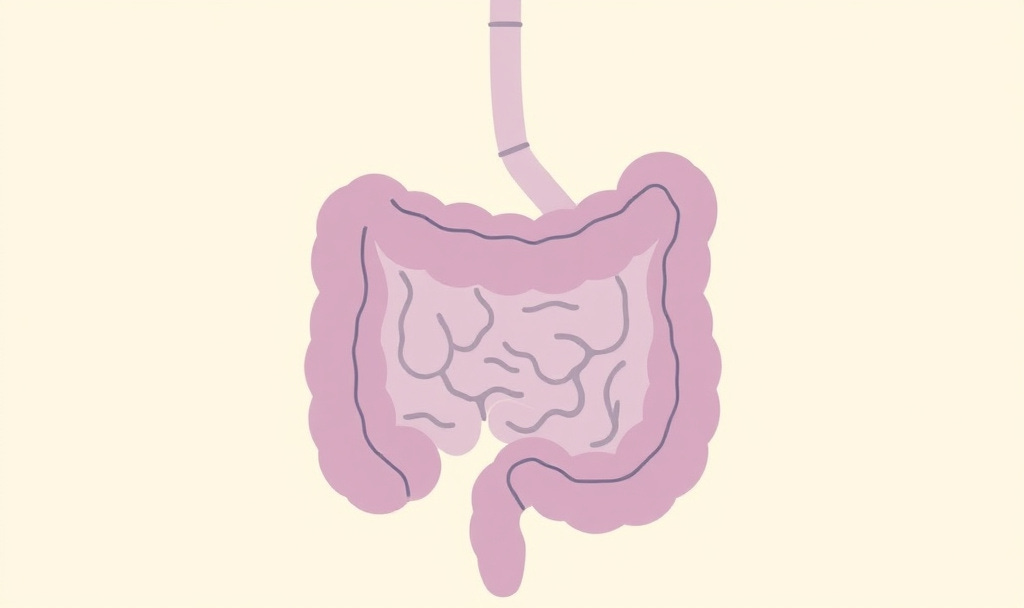
Gut health has become one of the most talked-about topics in modern wellness –
And for good reason.
While much of the conversation is wrapped in powders, detoxes, and bold claims, it’s grounded in real science.
The gut is a highly complex system with whole-body biological effects.
I see it as a central modulator of overall health, and it works both ways:
When poorly supported, it can push the body toward dysfunction.
When supported properly, it can actively reinforce the systems that protect health.
Today, I want to strip everything back to what the science shows actually matters for gut health — and help you avoid wasting money on things that don’t.
The Gut Does More Than Digest Food
It plays an active role in:
1) Regulating immune function
The gut is the body’s largest interface with the outside world, and therefore houses a large proportion of the immune system and supports daily detection and clearance of viruses and damaged (or pre-cancerous) cells.
2) Influencing inflammation
The gut lining is one cell thick and tightly regulates what enters the bloodstream. When this barrier is stressed, permeability can increase and low-grade inflammation can rise.
3) Communicating with the brain
The gut and brain communicate via the vagus nerve, immune signals, and microbial metabolites. In human studies, poorer gut health is associated with worse cognition and faster brain aging. [1,2]
The Gut-Longevity Link
Across human observational studies, better gut health is consistently associated with the world’s longest-living populations and with lower cardiometabolic, colorectal cancer, and neurodegenerative risk. [3,4,5,6,7,8]
That said, large human trials proving direct cause-and-effect are still limited.
In practical terms, good gut health means:
An intact, well-regulated gut lining: The gut lining is dynamic and constantly renewing. Modern dietary patterns can impair how effectively this protective barrier functions.
A diverse, fibre-fed microbial ecosystem: Trillions of microbes live primarily in the colon, where they convert food — especially dietary fibre — into chemical signals that influence molecular processes throughout the body.
Balanced immune, inflammatory, and brain signalling
Efficient nutrient absorption (which happens in the small intestine)
Why ‘Just Take a Probiotic’ Isn’t the Answer
Many people assume they’re supporting gut health by adding a daily supplement.
While “adding” things does matter, the gut is far more complex than this.
Adding a probiotic to a poorly supported gut is like adding a fish to polluted water: the environment matters far more than what you add.
As a result, even people who “eat clean” can miss foundational factors that determine whether gut-supporting strategies deliver their intended benefits.
How to Prime Your Gut for Healthy Aging
One of the most important lessons we’ve learnt from nutritional science over the last few decades is that the gut is highly adaptable.
Your gut lining is constantly renewing. Immune responses recalibrate. Your microbial ecosystem shifts in response to what you repeatedly eat and how you live.
But meaningful change comes from putting the right systems in place.
Below, I’ll walk you through a simple 3-step blueprint designed to prime the gut environment for healthy aging — distilled from years of research into a framework you can use today.
Important note: This guide is for educational purposes only and is not medical advice. Gut health is highly individual, and those with diagnosed conditions should always follow personalised guidance from a qualified healthcare professional.